Tuesday, August 31, 2010
L’Envers du monde – Henry Corbin et la mystique musulmane
L’Envers du monde – Henry Corbin et la mystique musulmane
par Tom Cheetham - traduction Hélène Foreman
L’ouvrage de T. Cheetham est une présentation synthétique et claire de la pensée du philosophe islamologue Henry Corbin (m. 1978), et de ses enjeux pour notre époque. A la différence d’ouvrages fortement philosophiques sur la pensée corbinienne (C. Jambet, La logique des Orientaux : Henry Corbin et la science des formes, 1983, ou D. Shayegan, Henry Corbin – La topographie spirituelle de l’Islam iranien, 1990) L’Envers du monde est destiné à un public plus vaste et éclectique. Tout en connaissant la pensée de Corbin dans ses nuances, Cheetham lui-même ne se présente ni comme pur philosophe, ni comme orientaliste. Il entend simplement souligner l’apport considérable de HC à la pensée contemporaine.
T. Cheetham retrace l’évolution de HC depuis sa rencontre plusieurs grands penseurs, et surtout avec M. Heidegger, dont il fut le premier traducteur en langue française. Avec Heidegger, HC insiste sur le fait que penser est un acte de présence au monde, un « acte d’être ». Ce ne sont pas les circonstances extérieures, sociales qui dictent leur vie aux hommes, c’est le degré d’engagement de leur propre conscience qui donne sens au monde. A la différence de Heidegger toutefois, Corbin ne voit pas la pensée humaine barrée inéluctablement par la conscience de la mort. Avec l’étude des mystiques – musulmans, mais aussi grecs ou chrétiens – HC rend compte d’une expérience où c’est la transcendance, la présence du divin, qui constitue l’horizon de la conscience, qui détermine ce qui est passé ou présent, vie ou mort. Cette redécouverte d’un acte d’exégèse du monde caché, spirituel, est un premier volet essentiel de la pensée de HC.
Cheetham insiste aussi sur une autre dimension de la pensée corbinienne, la redécouverte de l’imagination comme voie de connaissance mystique et philosophique. Il ne s’agit pas ici de l’imagination au sens courant, psychologique, mais de cette faculté désignée par l’adjectif « imaginale » : la capacité de recevoir et de comprendre les formes subtiles qui préexistent à la vie terrestre et la continuent, et cela par les visions et les rêves notamment.
Enfin T. Cheetham rend compte du thème du « paradoxe du monothéisme » évoqué par Corbin. Le monothéisme évacue les intermédiaires entre le Dieu unique et les hommes ; mais comme ce Dieu est infini et incompréhensible, les hommes sont contraints de le représenter par des concepts ou représentation à leur mesure, et retombent ipso facto dans une idolâtrie qu’ils entendaient éviter. D’où la « nécessité de l’angélologie », l’ange représentant le point précis de la rencontre entre le Dieu qui se « personnalise », et l’âme humaine qui se « divinise », événement spirituel central résumant toute la démarche de la mystique. Ecrit dans un style à la fois précis mais clair, l’ouvrage rend ainsi accessible au public non spécialisée une pensée complexe, mais d’une grande fécondité pour notre époque.
par Tom Cheetham - traduction Hélène Foreman
L’ouvrage de T. Cheetham est une présentation synthétique et claire de la pensée du philosophe islamologue Henry Corbin (m. 1978), et de ses enjeux pour notre époque. A la différence d’ouvrages fortement philosophiques sur la pensée corbinienne (C. Jambet, La logique des Orientaux : Henry Corbin et la science des formes, 1983, ou D. Shayegan, Henry Corbin – La topographie spirituelle de l’Islam iranien, 1990) L’Envers du monde est destiné à un public plus vaste et éclectique. Tout en connaissant la pensée de Corbin dans ses nuances, Cheetham lui-même ne se présente ni comme pur philosophe, ni comme orientaliste. Il entend simplement souligner l’apport considérable de HC à la pensée contemporaine.
T. Cheetham retrace l’évolution de HC depuis sa rencontre plusieurs grands penseurs, et surtout avec M. Heidegger, dont il fut le premier traducteur en langue française. Avec Heidegger, HC insiste sur le fait que penser est un acte de présence au monde, un « acte d’être ». Ce ne sont pas les circonstances extérieures, sociales qui dictent leur vie aux hommes, c’est le degré d’engagement de leur propre conscience qui donne sens au monde. A la différence de Heidegger toutefois, Corbin ne voit pas la pensée humaine barrée inéluctablement par la conscience de la mort. Avec l’étude des mystiques – musulmans, mais aussi grecs ou chrétiens – HC rend compte d’une expérience où c’est la transcendance, la présence du divin, qui constitue l’horizon de la conscience, qui détermine ce qui est passé ou présent, vie ou mort. Cette redécouverte d’un acte d’exégèse du monde caché, spirituel, est un premier volet essentiel de la pensée de HC.
Cheetham insiste aussi sur une autre dimension de la pensée corbinienne, la redécouverte de l’imagination comme voie de connaissance mystique et philosophique. Il ne s’agit pas ici de l’imagination au sens courant, psychologique, mais de cette faculté désignée par l’adjectif « imaginale » : la capacité de recevoir et de comprendre les formes subtiles qui préexistent à la vie terrestre et la continuent, et cela par les visions et les rêves notamment.
Enfin T. Cheetham rend compte du thème du « paradoxe du monothéisme » évoqué par Corbin. Le monothéisme évacue les intermédiaires entre le Dieu unique et les hommes ; mais comme ce Dieu est infini et incompréhensible, les hommes sont contraints de le représenter par des concepts ou représentation à leur mesure, et retombent ipso facto dans une idolâtrie qu’ils entendaient éviter. D’où la « nécessité de l’angélologie », l’ange représentant le point précis de la rencontre entre le Dieu qui se « personnalise », et l’âme humaine qui se « divinise », événement spirituel central résumant toute la démarche de la mystique. Ecrit dans un style à la fois précis mais clair, l’ouvrage rend ainsi accessible au public non spécialisée une pensée complexe, mais d’une grande fécondité pour notre époque.
(The anticipated publication date of this translation is still uncertain - but they are working on it. - TC)


Monday, August 30, 2010
Ralph Maud on Olson's "Kingfishers" & Corbin

Ralph Maud - What Does Not Change, Pp 130-1.
Sunday, August 29, 2010
Sufism Forum
David Kayser has kindly pointed out this article on Sufism and Image Psychology at the Sufism Forum
at the IAS.
at the IAS.
Inrternational Association of Sufism
About the International Association of Sufism
The International Association of Sufism was established in America in 1983 by Seyyedeh Dr. Nahid Angha and Shah Nazar Seyyed Dr. Ali Kianfar. It is a nonsectarian, nonprofit, nongovernmental organization of the United Nations, Department of Public Information.
IAS Goals:
To introduce Sufism in all its varied forms to the public
To make known the interrelation between Sufi principles and scientific principles
To provide a forum for a continuing dialogue between the different schools of Sufism
To preserve and advance the study and goals of Sufism.
Through the efforts of many Sufi masters, the contributions of Sufi orders and schools, and with the help of scholars, educators, translators, and artists interested in the discipline of Sufism, the Association has come a long way toward successfully accomplishing its founding goals. The members of IAS include prominent figures from a multitude of cultures, nations, and backgrounds. Currently, the achievement of the International Association of Sufism has made the organization an DPI Non-Governmental Organization of the United Nations.To our knowledge, this is the first association to be formed to enable Sufis and scholars from around the world, from many nations and traditions to establish relations and come together in the spirit of unity and harmony. You are invited to take part in this historical and humanitarian movement. READ MORE.
Saturday, August 28, 2010
Notes on the Lost Speech
In the spirit of Henry Corbin:
"Poetry's work is to make people real to us through the agency of the voice. "'Poetry is the human voice,' I tell them, 'and we are of interest to one another. Are we not?'" When people are real to you, you can't fly a plane into the office building where they work, you can't bulldoze the refugee camp where they live, you can't cluster-bomb their homes and streets. We only do those things when we understand people as part of a category: infidel, insurgent, enemy. Meanwhile, poetry does what it does, inscribing individual presence, making a system of words and sounds to mark the place where one human being stood, bound in time, reporting on what it is to be one. In the age of the collective of mass culture and mass market, there's hope in that."
from MARK DOTY - Tides of Voices: Why Poetry Matters Now
John Hersey Memorial Lecture
Key West Literary Seminar
Key West, FL
January, 2008
"Poetry's work is to make people real to us through the agency of the voice. "'Poetry is the human voice,' I tell them, 'and we are of interest to one another. Are we not?'" When people are real to you, you can't fly a plane into the office building where they work, you can't bulldoze the refugee camp where they live, you can't cluster-bomb their homes and streets. We only do those things when we understand people as part of a category: infidel, insurgent, enemy. Meanwhile, poetry does what it does, inscribing individual presence, making a system of words and sounds to mark the place where one human being stood, bound in time, reporting on what it is to be one. In the age of the collective of mass culture and mass market, there's hope in that."
from MARK DOTY - Tides of Voices: Why Poetry Matters Now
John Hersey Memorial Lecture
Key West Literary Seminar
Key West, FL
January, 2008
Friday, August 27, 2010
At Home in the World
 | ||||||||||||||||||
Spring Journal Books (the book publishing imprint of Spring: A Journal of Archetype and Culture, the oldest Jungian psychology journal in the world) | ||||||||||||||||||
 At Home in the World Sounds and Symmetries of Belonging by John Hill The inaugural volume in the Zurich Lecture Series in Analytical Psychology Co-sponsored by ISAPZURICH and Spring Journal Books ISBN: 978-1-935528-00-5 288 pp. Price: $ $26.95 This work offers a profound philosophical and psychological exploration of the multi-dimensional significance of home and the interwoven themes of homelessness and homesickness in contemporary global culture. Home as a particular dwelling place, as a cultural or national identity, as a safe temenos in therapy, and as a metaphor for the individuation process are analyzed expertly from multi-disciplinary perspectives and, more poignantly, through the sharing of diverse narratives that bear witness to lives lived and endured from memories of homes lost and regained. | ||||||||||||||||||
***** | ||||||||||||||||||
Praise for At Home in the World "With much pleasure and enthusiasm, I warmly recommend this extraordinary book to the receptive reader. Written in a colorful, poetic style, John Hill sensitively explores the multi-faceted meanings and experiences of home, which he characterizes as a "womb of many stories" and rightly compares to a "many-storied house." His elaborations on this theme are psychologically nuanced, extensive, rich and perceptive—based upon his life-long involvement and interest in this topic and lectures he has given about it for over 20 years. Not exclusively focusing on the collective and popular idealization of home, he acknowledges and explores the dark shadows that home also evokes for many of us. A rich feast for the imagination awaits the reader interested in home and all its many associations." MARIO JACOBY, PH.D., ISAPZURICH TRAINING ANALYST AND AUTHOR OF INDIVIDUATION & NARCISSISM AND THE ANALYTIC ENCOUNTER | ||||||||||||||||||
| ||||||||||||||||||
About the Author: JOHN HILL, M.A., received his degrees in philosophy at the University of Dublin and the Catholic University of America. He trained at the C. G. Jung Institute Zürich, has practiced as a Jungian analyst since 1973, and is a training analyst at the International School of Analytical Psychology (ISAPZURICH). | ||||||||||||||||||
***** |
Wednesday, August 25, 2010
The Vision of Islam


Photo: The speakers at the November 2009 New York symposium "Islam, Sufism and the Heart of Compassion": Sachiko Murata, William Chittick, Stephen Hirtenstein, Salman Bashier, Mohamed Haj Yousef.
Tuesday, August 24, 2010

by Gary Gutting of the Department of Philosophy at the University of Notre Dame.
Monday, August 23, 2010

“The Power of Wisdom” – His Highness the Aga Khan’s Interview with Politique Internationale
Editor’s Note: Politique Internationale is a French political affairs journal, dedicated in particular to international relations. Over the past 32 years, the journal has been recognized as a highly influential French-language publication addressing international issues. As a prominent French journal, it has published interviews with leaders from France and around the world, including His Highness the Aga Khan, whose interview with author and journalist Jean-Jaques Lafaye appeared in the spring 2010 issue (#127).
Simerg has just published an English translation of the interview in which the Ismaili Imam discusses a broad range of issues including the community he leads, philanthropy work, Isl
Saturday, August 21, 2010

Dispatches From the Fault Line Between Christianity and Islam
By Eliza Griswold
317 pp. Farrar, Straus & Giroux. $27
“The Tenth Parallel” is a beautifully written book, full of arresting stories woven around a provocative issue — whether fundamentalism leads to violence — which Griswold investigates through individual lives rather than caricatures or abstractions... READ THE WHOLE REVIEW
Hear the Fresh Air Audio Interview with Terri Gross
Hear the Fresh Air Audio Interview with Terri Gross
Friday, August 20, 2010
Sufi Music in NY

Thursday, August 19, 2010
Children of Dust

And see his article Sufism's Smiling Face in the Washington Post.
“In this supremely assured, lush, and rip-roaring book, Eteraz manages to do the impossible, gliding confidently over the chasm that divides East and West. Wildly entertaining, Children of Dust is memoir of the first order, as genuinely American as Muslim, unraveling the perilous mystery that is modern Pakistan as only memoir can. Unlike others, Eteraz has truly ‘been there,’ and we are all the better for it. One of the most revealing chronicles of Islamic fundamentalism since Mottahedeh’s classic Mantle of the Prophet.” - Fatima Bhutto
Wednesday, August 18, 2010
Poems for Ramadan
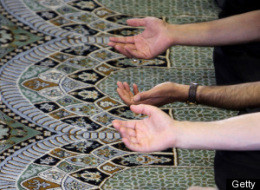
Becca Klaver
Poetry Magazine
Appearing in both the Huffingtom Post & at the Poetry Foundation. (Thanks to Ron Silliman for the link)
Tuesday, August 17, 2010

by Jules Cashford and Patrick Harpur in Dorset, England
Monday, August 16, 2010

Subscribe to:
Posts (Atom)


 Posts
Posts


